

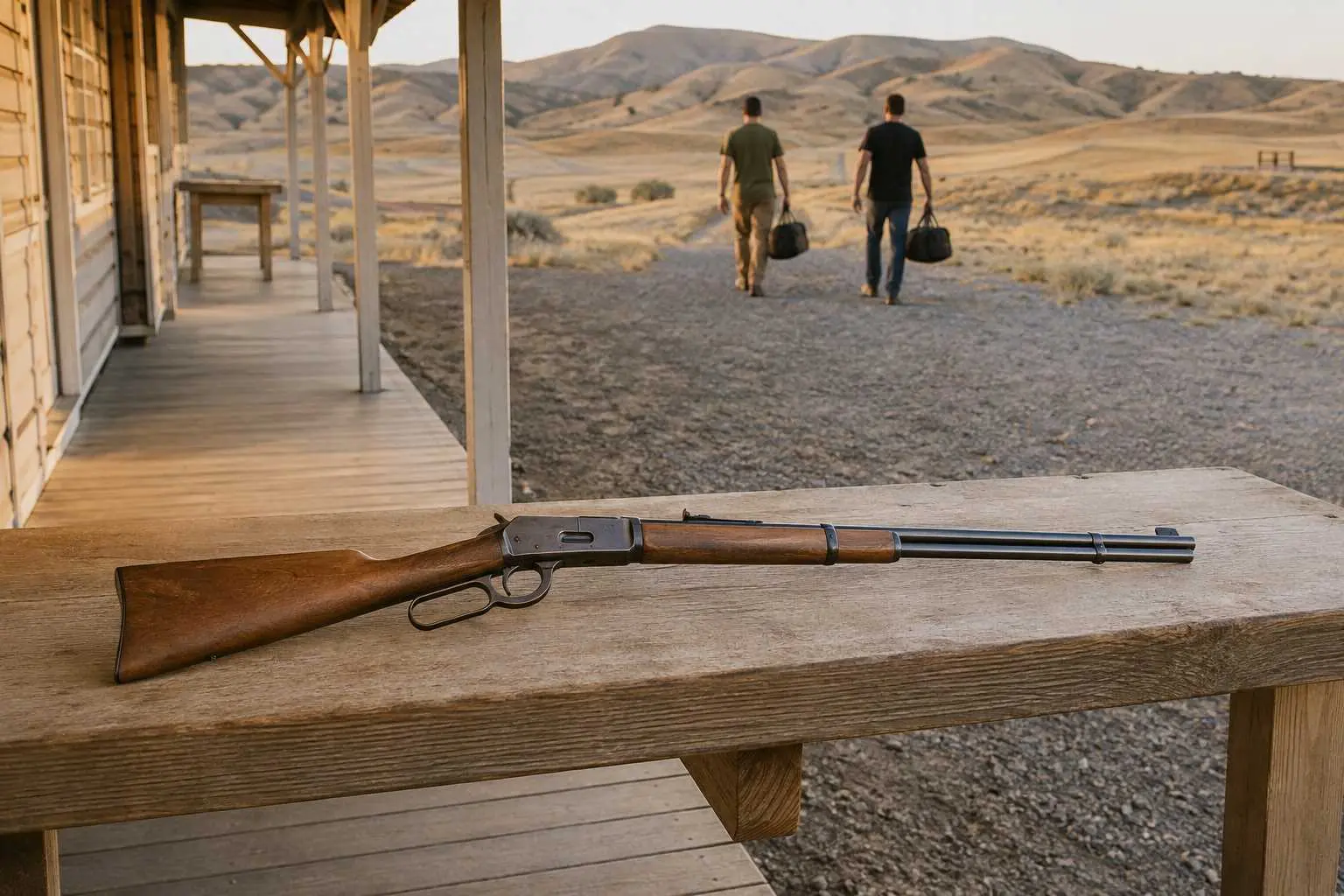
Before leaving home make sure you understand how the club handles check-ins. A first visit can be confusing if you don't know where to go what documents or membership details you need or which bays and activities are available. Planning helps reduce stress at the entrance and lets you focus more on handling things following instructions and meeting other members. You don't need to know everything; just come ready to listen follow the rules of the range and stop if you're not sure about anything.
Make sure the visit is confirmed before you start packing the car
Check the clubs messages posted rules and member information. Make sure you know the operating hours what you need to enter any events that are happening and any changes that affect the area you want to use. Things can change so don't trust a message, what a friend says or old information you found online.
Ask who a new member should talk to first. Depending on how the day's set up that person might be at the check-in desk, a range officer, an event coordinator or another person in charge. Knowing where to start helps you avoid walking onto a firing line while trying to solve a paperwork issue.
Bring what you understand and can handle safely. If you're not sure if a gun, a type of ammo a target or an accessory is allowed, ask before bringing it or using it. It's easier to check than to deal with a problem after you arrive.
Think of safety rules as the clubs language
Safety at the gun club is not just for people who are new. It helps people with levels of experience share a safe space. Learn the signals how to stop shooting what is expected when the gun is ready and how to handle guns when you are not shooting. The range officers instructions are more important than anything you might think based on another place.
Keep your habits the same: always point the gun in a safe direction keep your finger off the trigger until you are ready to shoot and only handle guns you are allowed and ready to use. When a stop-shooting signal is given, stop away and follow the steps to make the gun safe. Do not touch anything move forward or start again until the range is announced as active again.
If you see something move away if needed and tell the range officer instead of arguing in public. If your gun or gear acts strangely keep it pointed and ask for help instead of trying to fix it yourself.
Choose to learn of being confident
Your first day at the range is not the time to prove you can handle everything on your own. Learning how to load, unload, store, stand, grip, aim and deal with a problem can help you build a process. The right training depends on your experience the gun you are using and how comfortable you are following rules while someone is watching.
Think about taking a class if you're new to guns coming back after a long time using a gun you don't know or not sure how to handle a simple issue. Ask what the class includes and if the instructors style matches what you want. Good training should make safety clear not push you to be fast or act brave.
There is no reason to move to something before the basics feel natural. If you are so focused on using the gun that you can't watch your surroundings or follow directions slow down. An experienced member or a good instructor will usually value a question more than a quick mistake.
Pack for the range not for looks
Eye and ear protection are items but check the clubs rules before assuming what is allowed. Wear clothes that're easy to move in and have closed-toe shoes. Avoid anything that could get in the way or distract you while you are shooting. Keep your stuff organized so the benches and paths stay clear.
Use gear you know how to handle. A gun you are familiar with and keep in shape is usually better for a first visit than a new model you picked because it looked good or was complicated. If you are using a club rental or someone Gun ask for a quick orientation before you use it. Different guns have controls how they load and how to store them safely.
A small list before you leave is helpful:
– Check the hours, access and what is happening that day.
– Make sure you know the rules for guns, ammo, targets and gear.
– Bring eye and ear protection, clothes, ID and any membership papers you need.
– Plan how to carry your guns and ammo in a way that follows the law and the clubs rules.
– Save the contact or location of the person who can help with first-time questions.
Laws about carrying, storing, owning and using guns can. Depend on your situation. Look up the latest official info and local rules of thinking general advice is the same as legal advice.
Learn the manners that help the club run
Etiquette at the range is about being thoughtful. Keep your gear in your space ask before touching someone elses items and give people room to focus. Don't offer advice that isn't asked for comment on someones speed. Think a quiet person wants to talk. A simple greeting and a clear question are enough.
Follow the schedule or assigned area of stepping into an open spot without asking. Clean up according to the clubs instructions, including targets, shells and other trash. If you're not sure what goes in a bin or what to take home ask a range officer.
Members come for reasons: practicing basics taking classes or joining an event. Being polite means keeping your voice down following the rules and understanding that a safety reminder's part of being responsible not a personal attack.
Know when to stop and ask
The choice on the first day is often the simplest one: stop when you're not sure. Pause if you don't understand a command can't tell if a gun is safe feel rushed notice changes around you or see someone acting dangerously. Ask the range officer or instructor before you go on.
A friendly club culture starts with these choices. New members don't need to know all the traditions on their visit. They do need to learn the rules respect others in the space and check the rules that might change. This way the first day is safer, calmer and more helpful. It builds a good start, for future visits.